
Options Trading
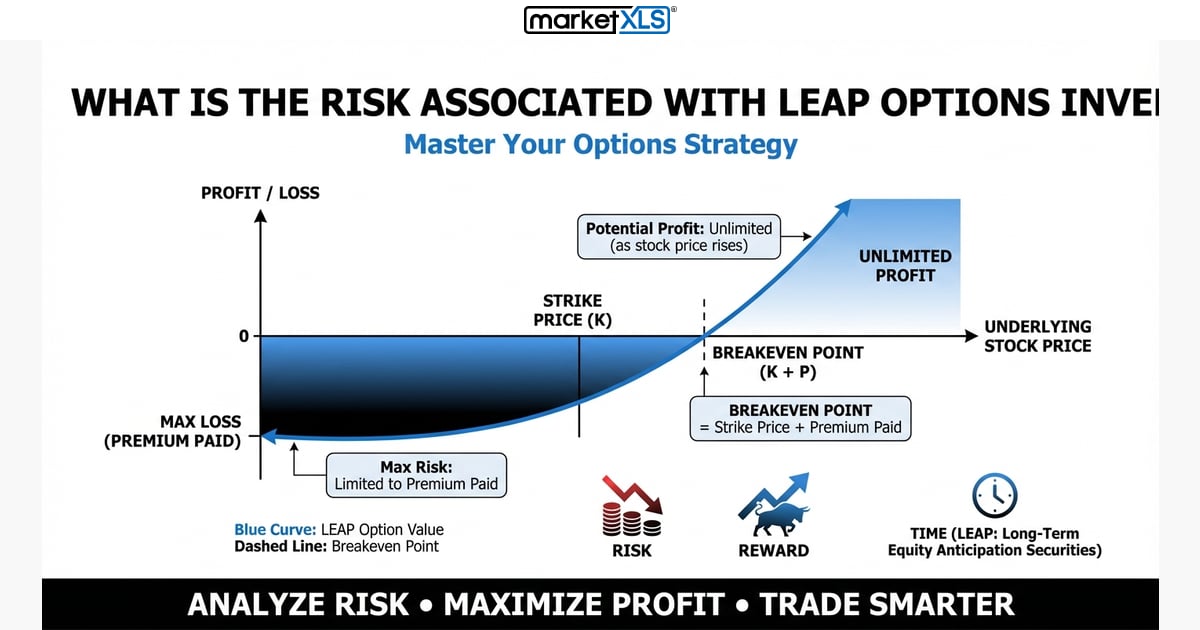
The main risk of buying LEAPS is losing the full premium if the stock does not pass the strike by expiration. Time decay, IV drops, and wide spreads add risk.
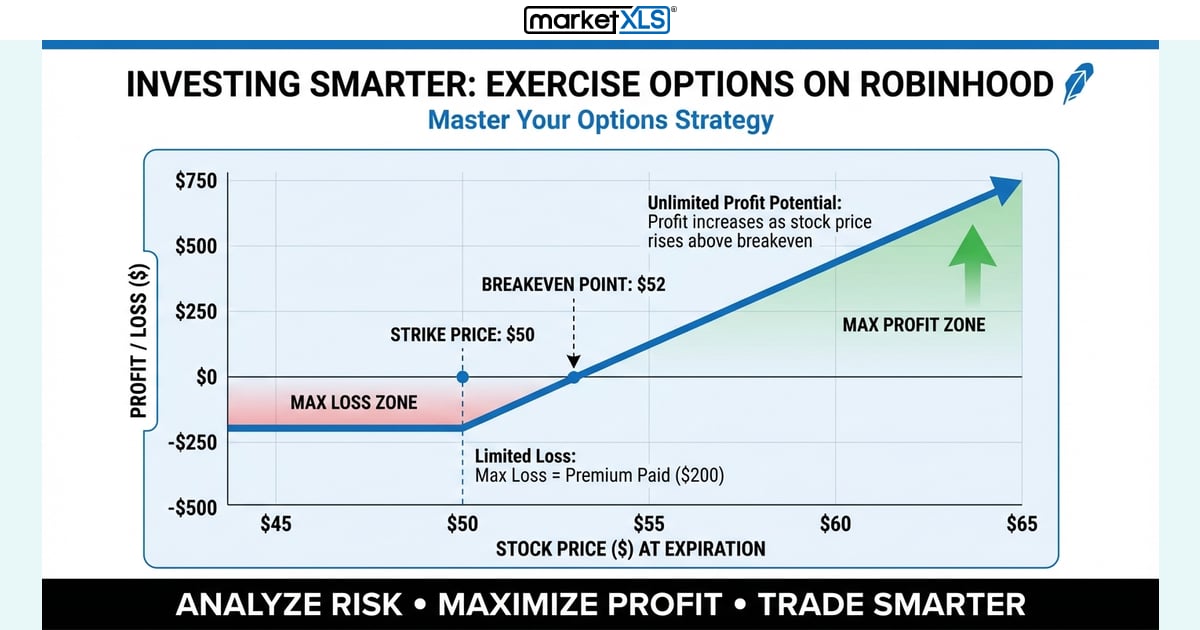
How exercising a call or put option works on a broker such as Robinhood, when selling the option is better, and how to track options in Excel.
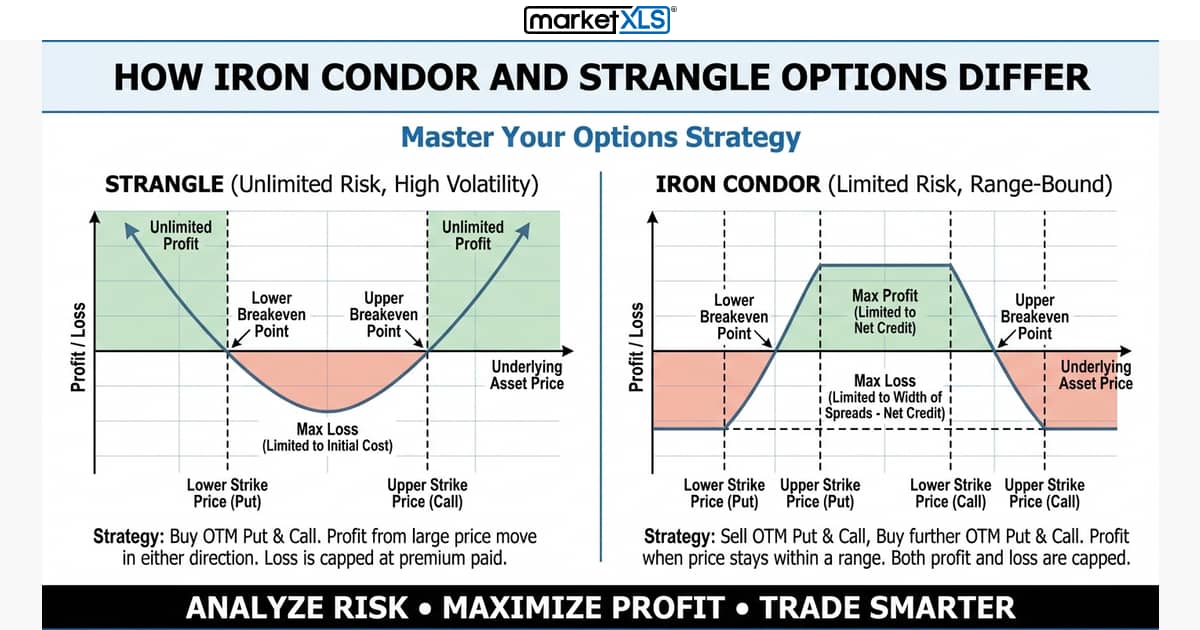
An iron condor is a four-leg, defined-risk credit trade; a strangle is a two-leg trade with undefined risk when sold. How the two differ in structure, volatility view, risk, and payoff.
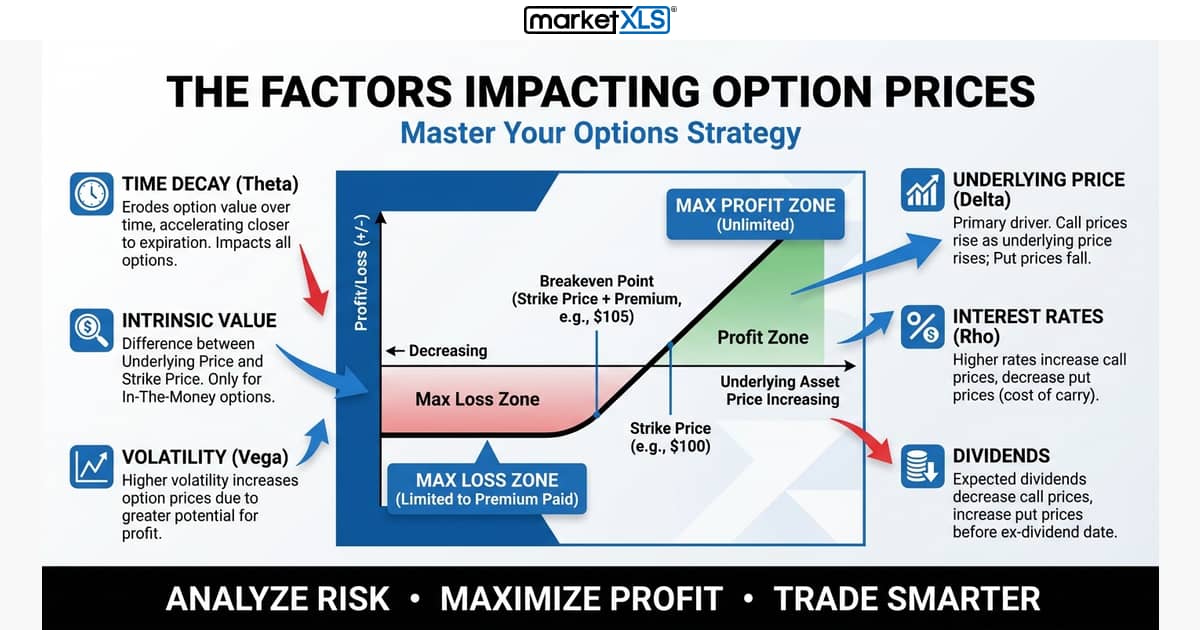
Option prices depend on the stock price, strike, time to expiration, implied volatility, interest rates, and dividends. How each one moves call and put premiums.
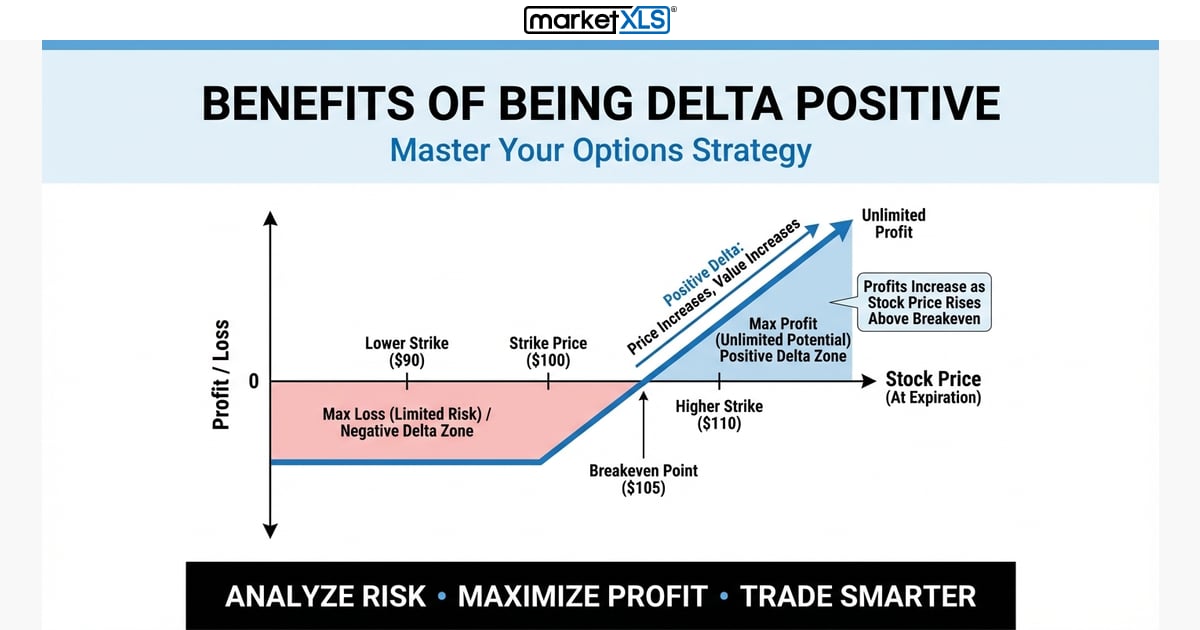
Being delta positive means an options position gains when the stock rises. Learn how position delta works and which strategies (long calls, bull spreads, covered calls) are delta positive.

The Basics of Put Call Forward Parity Put-call forward parity states that for European options with the same underlying, strike, and expiration, the call price minus the put price equals the present...
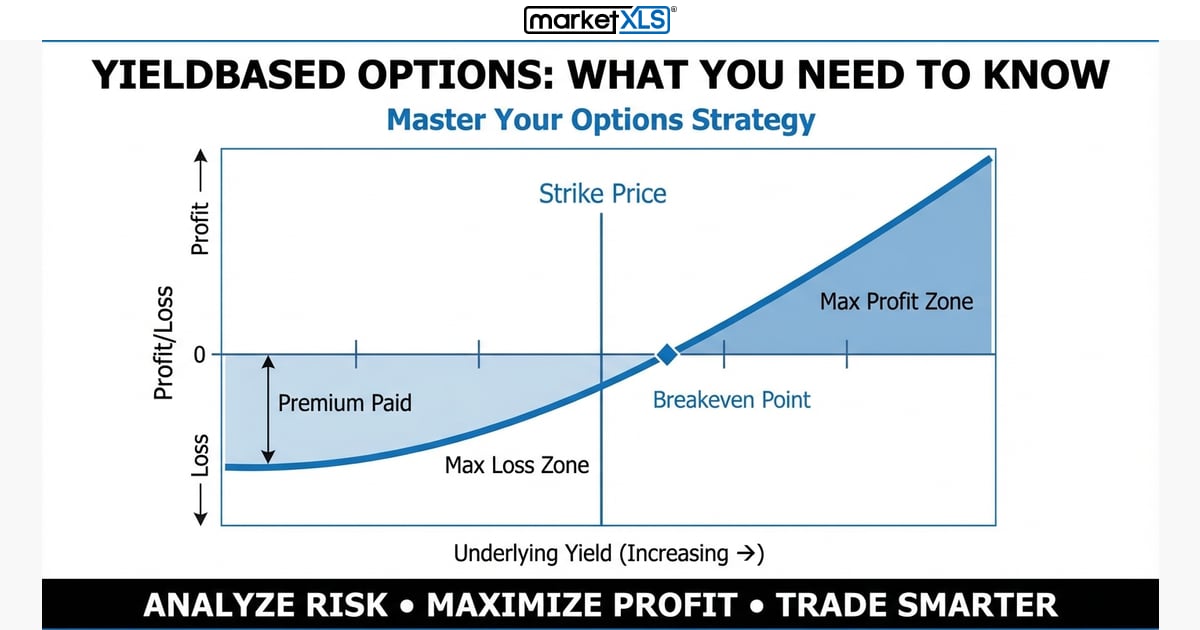
Yield enhancement with options means selling options, such as covered calls and cash-secured puts, to earn premium. How it works, what it costs, and the risks.
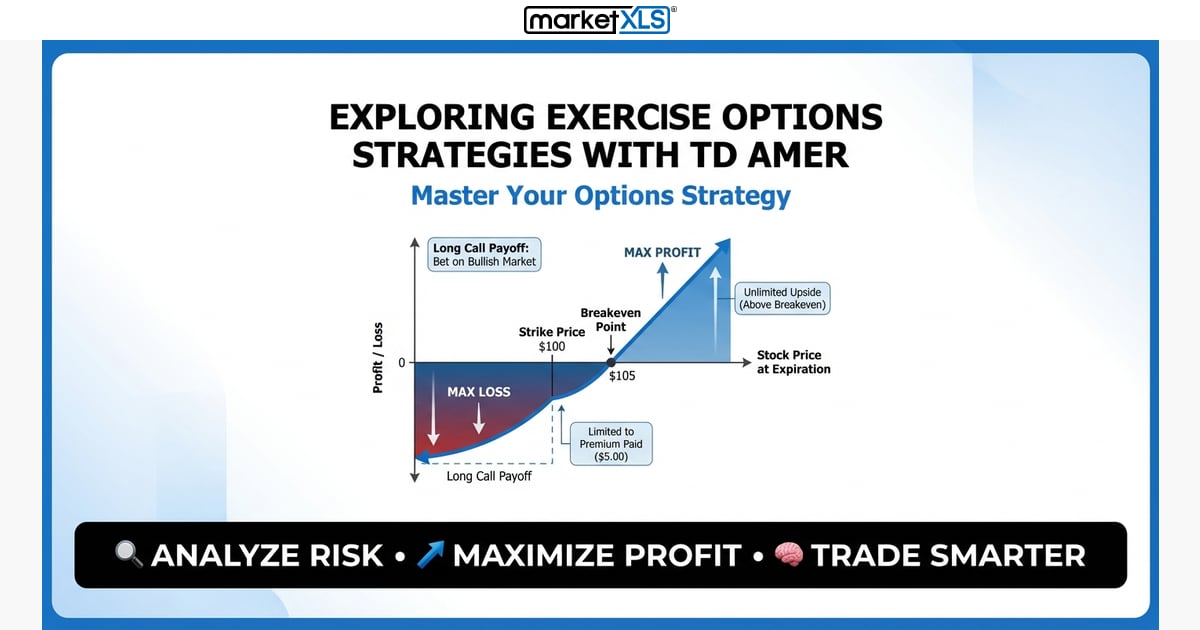
What exercising a stock option means, when early exercise makes sense, and where TD Ameritrade (now Charles Schwab) accounts handle exercise requests.
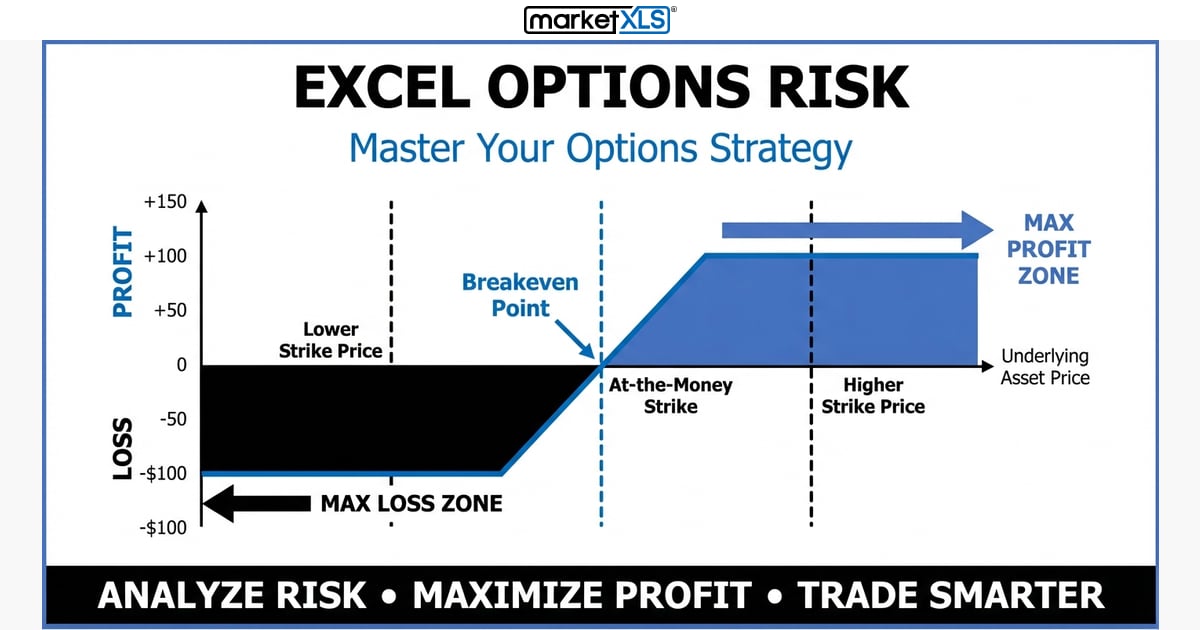
How to measure the risk and reward of a stock option trade: premium, breakeven, maximum loss, and Greeks, using option calculators in Excel.
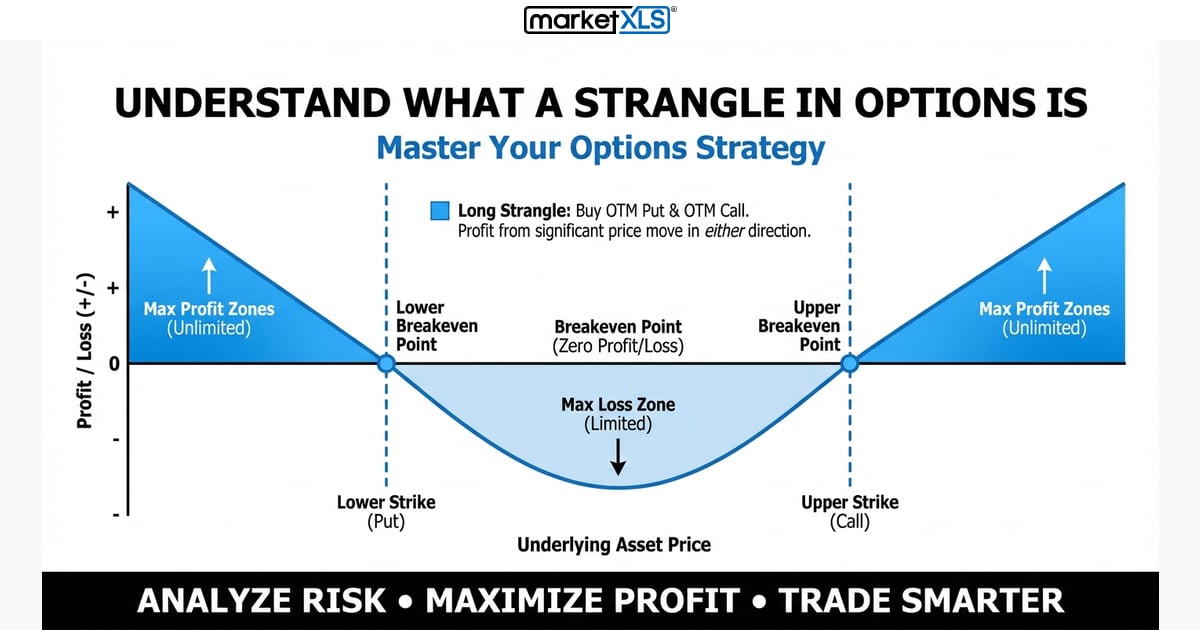
A long strangle buys an out-of-the-money call and put with the same expiry. It profits from a large move either way; the maximum loss is the premium paid.
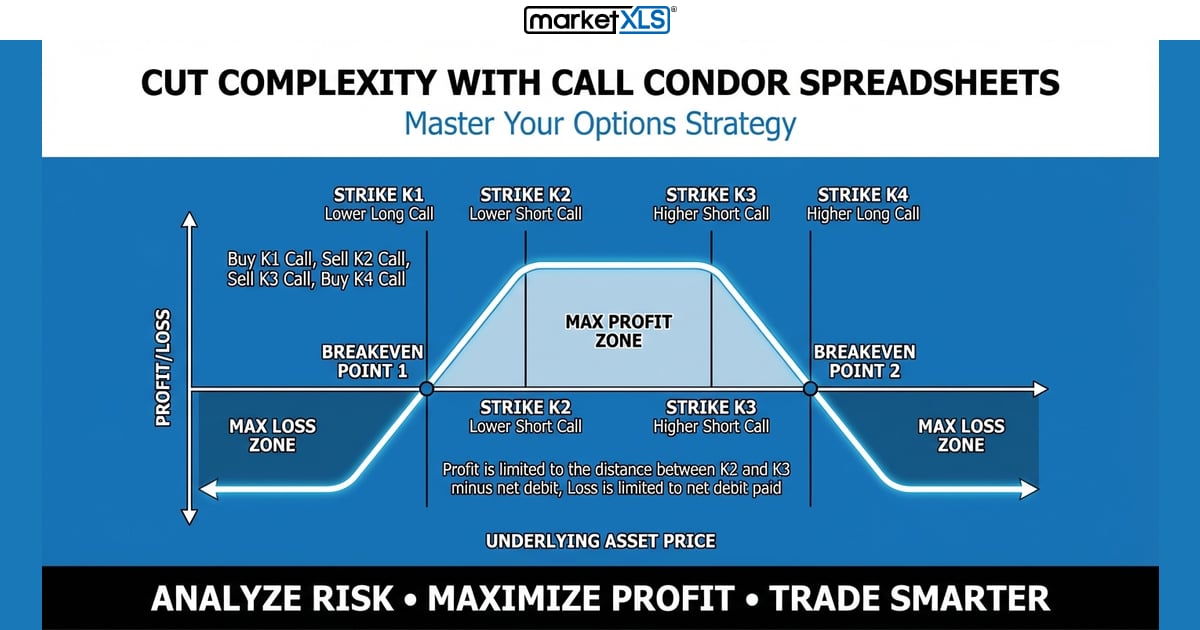
A long call condor uses four calls at four strikes to profit if a stock stays in a range. Structure, max profit and loss, and Excel templates.
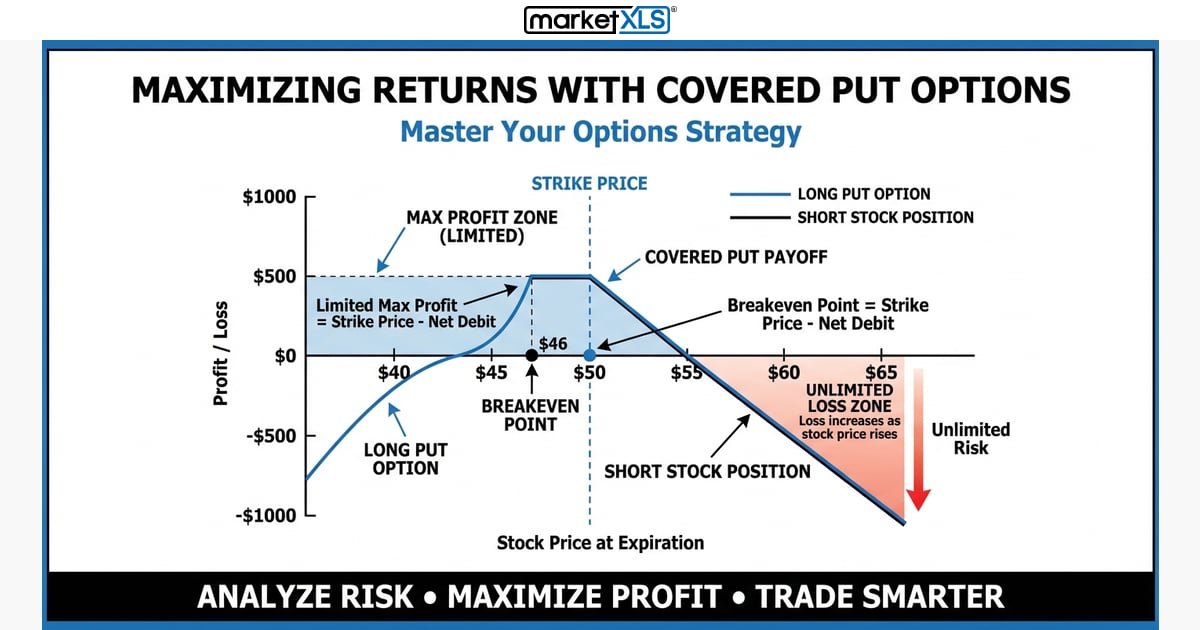
A covered put combines a short stock position with a short put. Maximum profit, the unlimited upside risk, when traders use it, and how it differs from a collar.
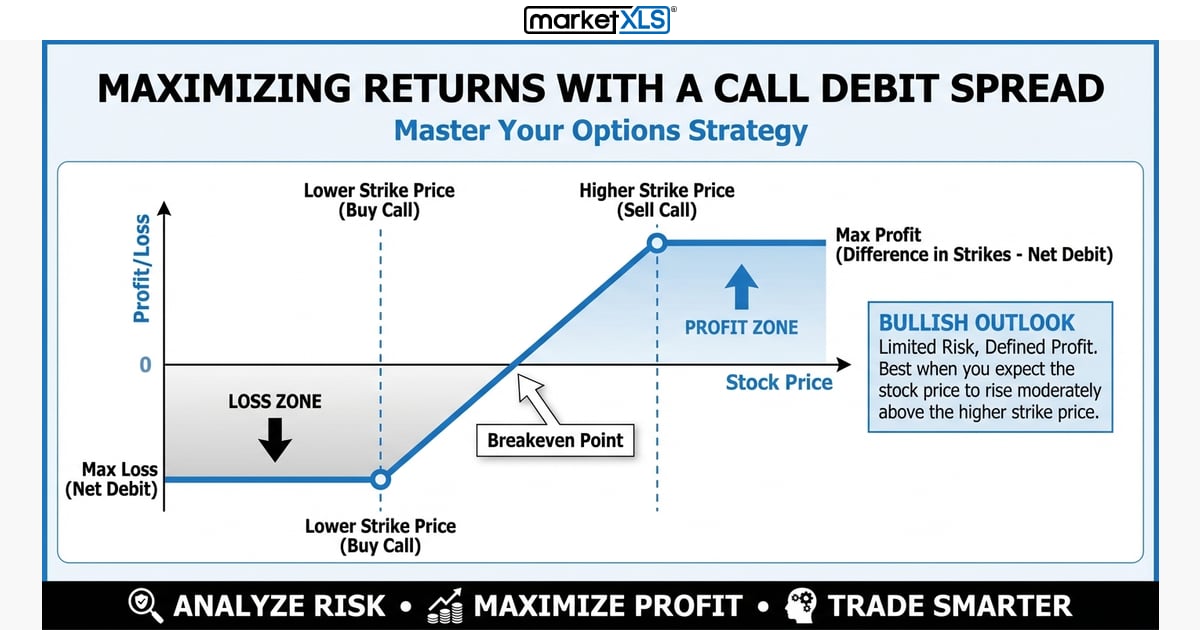
A call debit spread buys a lower-strike call and sells a higher-strike call. Max loss is the debit, max profit is the strike width minus the debit, breakeven is lower strike plus debit.
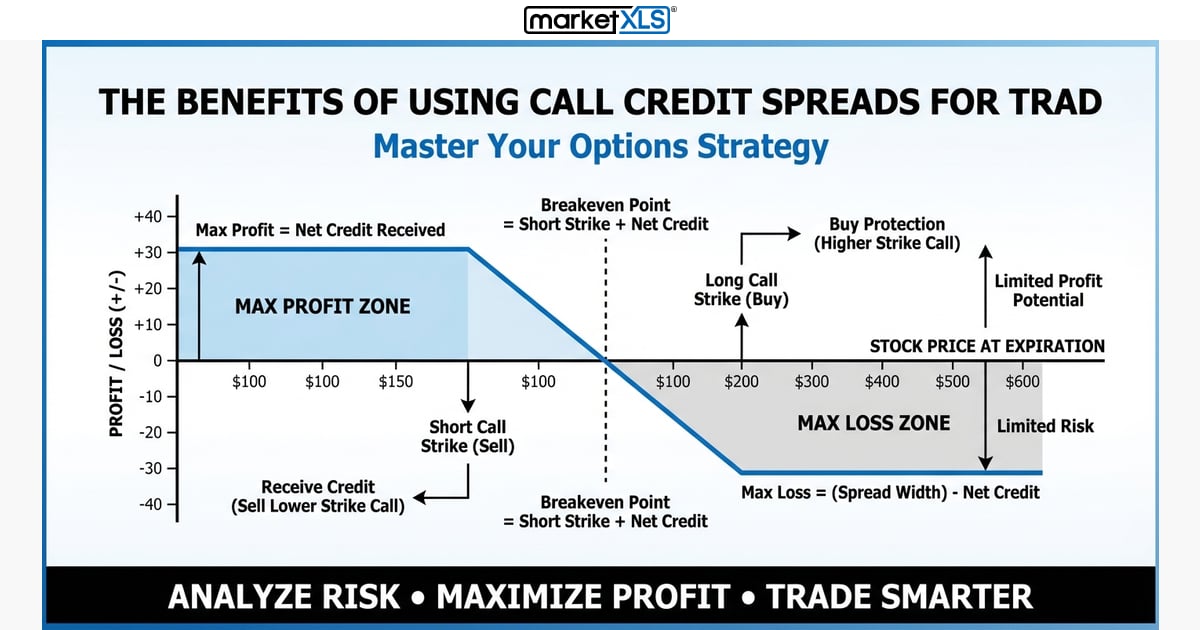
A call credit spread sells a lower-strike call and buys a higher-strike call for a net credit. Max gain is the credit, max loss is width minus credit, and it profits below the short strike.
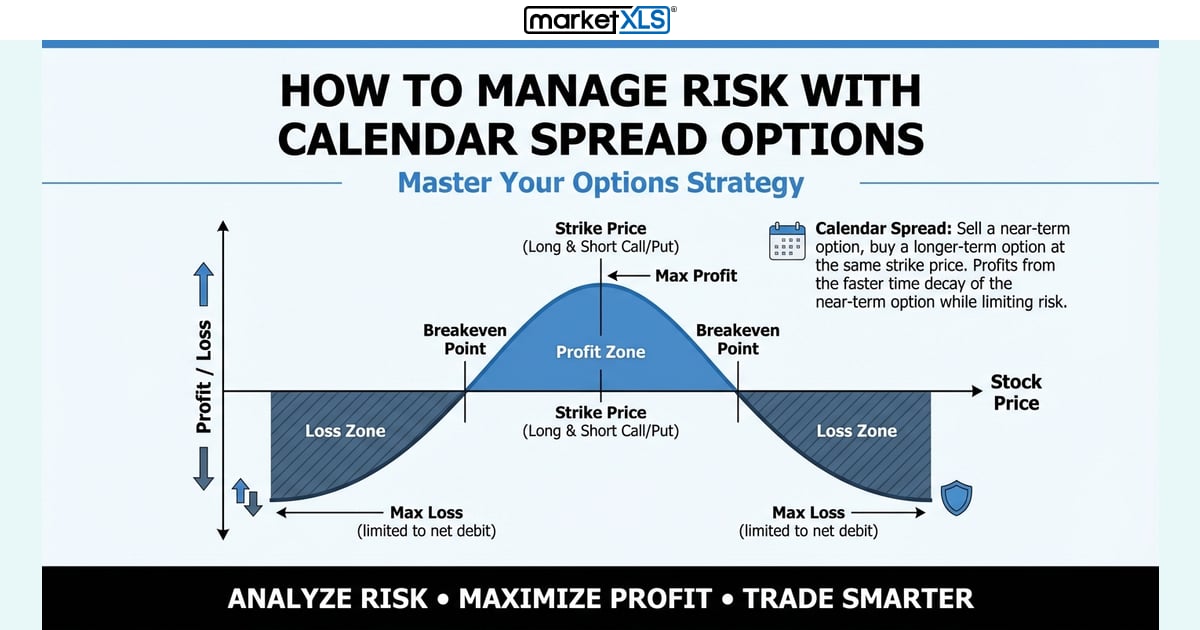
A calendar spread sells a near-term option and buys a longer-dated one at the same strike. Max loss is the net debit; it profits most if the stock stays near the strike.
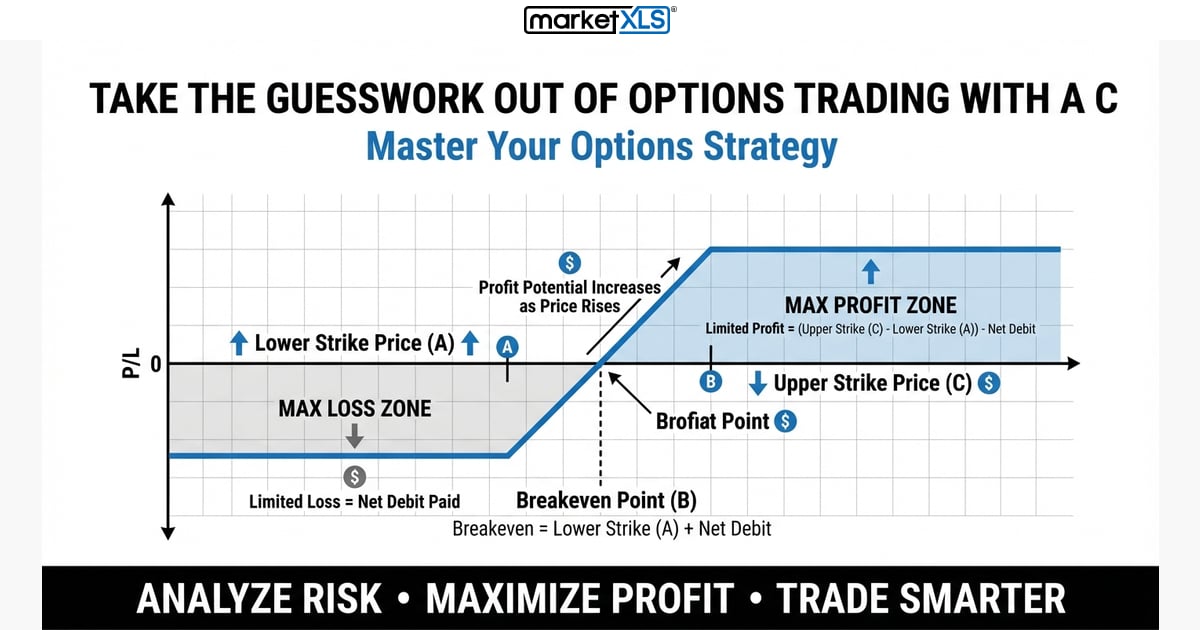
A call option calculator prices a call from stock price, strike, time, volatility, and rates, and shows breakeven and profit at expiration before you buy.